


Iga Świątek’s Shocking Claim: Are Tennis Stars Becoming Prisoners in Their Own Sport?
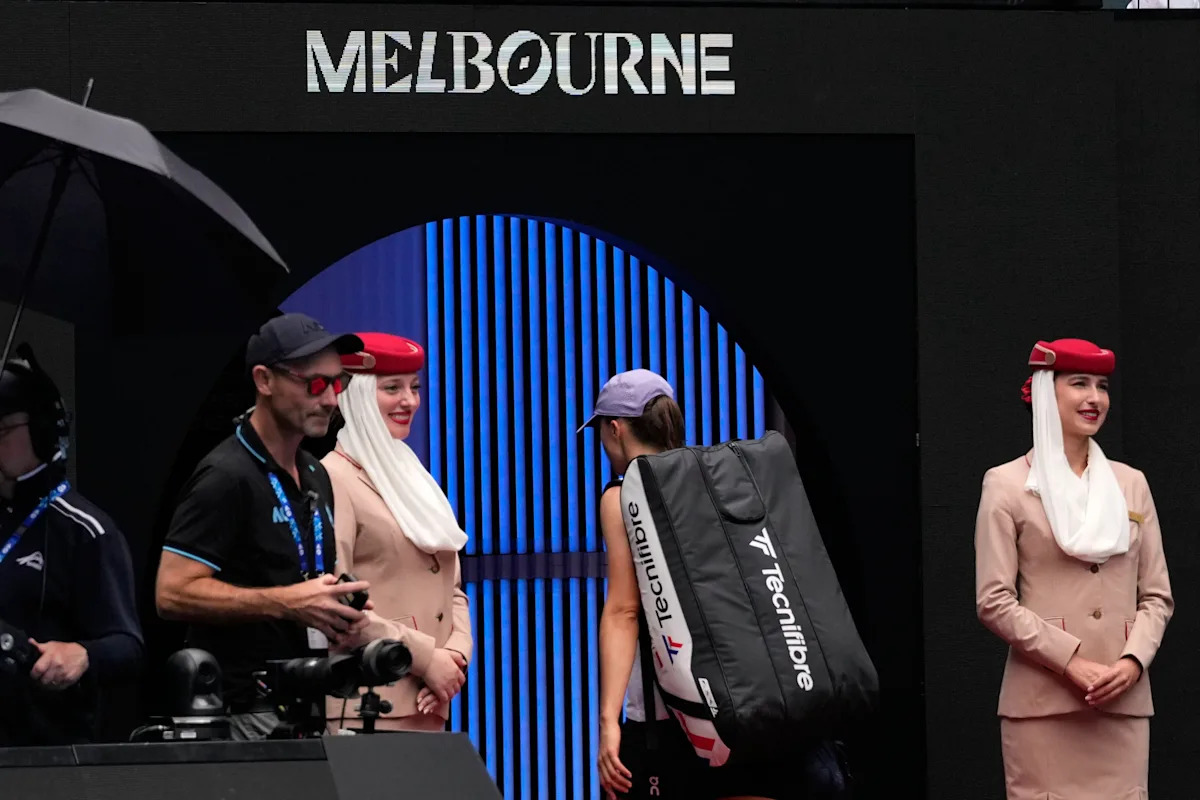
MELBOURNE — Let me tell you, the buzz around the Australian Open has taken an unexpected turn beyond the baseline rallies and fierce serves. Iga Świątek, fresh off her quarterfinal exit, isn’t holding back on a sizzling topic that’s got everyone talking: privacy—or the stark lack thereof—for tennis stars under unrelenting camera scrutiny. This echoes the sentiments of Coco Gauff, whose own post-match frustrations went viral after she unleashed a racketsmashing spectacle just out of public view, or so she thought. The crux? Players feel like they’re under the microscope 24/7—caught streaming from locker rooms to courtsides. Świątek even compared the invasive watch to being “animals in the zoo,” a vivid, if slightly exaggerated, image that captures the essence of their dilemma. Beyond the glam and grind, these elite athletes crave spaces to regroup, breathe, and prepare away from the glaring public eye—something that seems elusive in today’s hyper-connected, content-hungry world where every moment can be snapped, shared, and meme-ified. It’s a complex dance, balancing fan engagement with fundamental respect for athletes’ mental and emotional sanctuaries. The conversation is long overdue—and it’s high time we listen.
CHECK OUT THE HOTTEST DEALS ON AMAZON!
2025 Panini Donruss Football Jumbo Value Pack
$13.99 (as of September 19, 2026 03:41 GMT +00:00 - More infoProduct prices and availability are accurate as of the date/time indicated and are subject to change. Any price and availability information displayed on [relevant Amazon Site(s), as applicable] at the time of purchase will apply to the purchase of this product.)
Baseball Card Legends Pack – 15 Cards Inside | 3 Guaranteed Stars or Hall of Famers + 3 Vintage Cards | Possible Rookies, Autographs, Jersey Patch & Insert Cards for Collectors
$8.25 (as of September 19, 2026 03:41 GMT +00:00 - More infoProduct prices and availability are accurate as of the date/time indicated and are subject to change. Any price and availability information displayed on [relevant Amazon Site(s), as applicable] at the time of purchase will apply to the purchase of this product.)
2026 Topps Series 1 Celebration Baseball Trading Card Value Bundle, 2 Factory Sealed Packs, 28 Cards Total, MLB Trading Cards for Collectors
$28.99 (as of September 19, 2026 04:04 GMT +00:00 - More infoProduct prices and availability are accurate as of the date/time indicated and are subject to change. Any price and availability information displayed on [relevant Amazon Site(s), as applicable] at the time of purchase will apply to the purchase of this product.)
2025/26 Topps Match Attax Multipack - Look for a Guaranteed Limited Edition Card
$9.99 (as of September 19, 2026 03:41 GMT +00:00 - More infoProduct prices and availability are accurate as of the date/time indicated and are subject to change. Any price and availability information displayed on [relevant Amazon Site(s), as applicable] at the time of purchase will apply to the purchase of this product.)
2026 2027 Upper Deck MVP Hockey Series Unopened Blaster Box of Packs with Chance for Rookies Plus #1 Draft Picks Cards and Blaster Exclusive Gold Scripts
$24.99 (as of September 19, 2026 03:41 GMT +00:00 - More infoProduct prices and availability are accurate as of the date/time indicated and are subject to change. Any price and availability information displayed on [relevant Amazon Site(s), as applicable] at the time of purchase will apply to the purchase of this product.)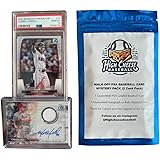
High Cheese Baseball Walk Off Mystery Pack - 2 Cards, 1 PSA Graded & 1 Autograph/Relic Ungraded
$39.99 (as of September 19, 2026 03:41 GMT +00:00 - More infoProduct prices and availability are accurate as of the date/time indicated and are subject to change. Any price and availability information displayed on [relevant Amazon Site(s), as applicable] at the time of purchase will apply to the purchase of this product.)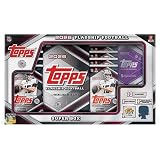
Topps 2026 NFL Flagship Football Trading Card Super Box, 10 Packs
$74.95 (as of September 19, 2026 04:04 GMT +00:00 - More infoProduct prices and availability are accurate as of the date/time indicated and are subject to change. Any price and availability information displayed on [relevant Amazon Site(s), as applicable] at the time of purchase will apply to the purchase of this product.)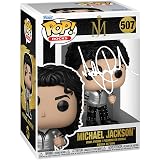
Michael Jackson #507 Bad Tour Facsimile Signed Reprint Laser Autographed Funko POP! Rocks Figurine with Protector Case
$29.99 (as of September 19, 2026 04:04 GMT +00:00 - More infoProduct prices and availability are accurate as of the date/time indicated and are subject to change. Any price and availability information displayed on [relevant Amazon Site(s), as applicable] at the time of purchase will apply to the purchase of this product.)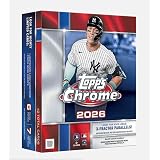
2026 Topps Chrome® Baseball - Mega Box
$113.99 (as of September 19, 2026 03:41 GMT +00:00 - More infoProduct prices and availability are accurate as of the date/time indicated and are subject to change. Any price and availability information displayed on [relevant Amazon Site(s), as applicable] at the time of purchase will apply to the purchase of this product.)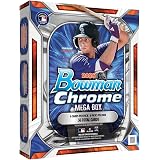














Post Comment