





Liverpool’s Shocking Standstill Against Sunderland: Is Arne Slot’s Reign on the Brink?
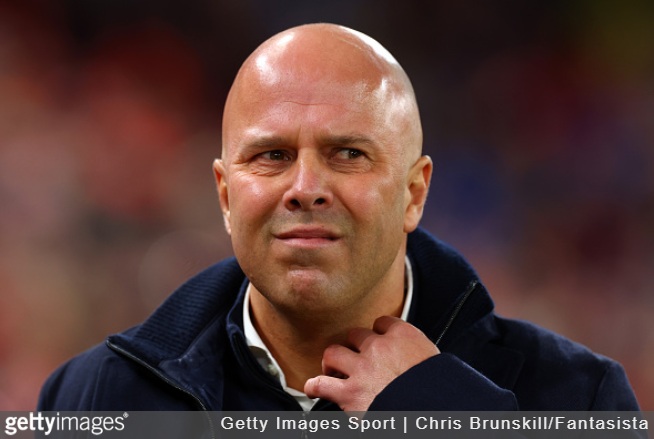
It’s hard not to feel the weight of the moment as Liverpool trudges through what might be their darkest chapter in years. Just a handful of months ago, Arne Slot was heralded as the mastermind behind a Premier League triumph, but now? The Reds find themselves stuck in eighth place, trailing Arsenal by nine points—an unimaginable gulf for a club of their stature. The 1-1 draw against Sunderland at Anfield wasn’t just a slip-up; it was a glaring signal of the deeper malaise infecting the squad. Fans and pundits alike are asking the same question: how did the reigning champions end up in this mess so quickly? And with Slot’s managerial methods under intense scrutiny, tensions between expectations and reality are tearing through the club’s fabric. It’s a season that’s unraveling fast, with every match feeling like a high-stakes crossroads. Are Liverpool’s struggles just a phase, or the beginning of a full-blown crisis? The story behind the stats, the scores, and the aftermath is one we all need to unpack. LEARN MORE
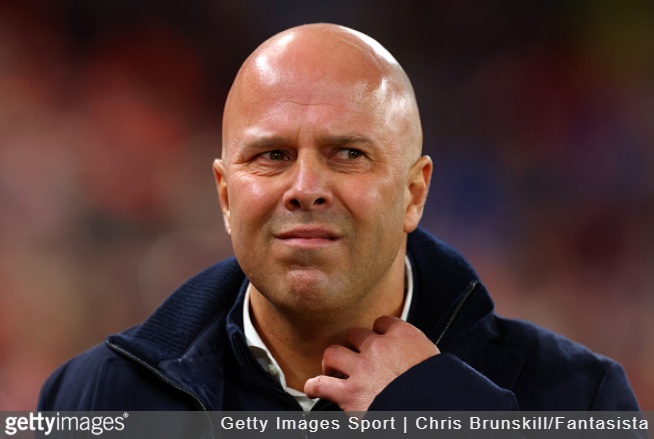
Liverpool’s 1-1 draw with Sunderland at Anfield on December 3 was more than just two points dropped—it was a stark illustration of a season spiraling out of control. The reigning Premier League champions, who swept to glory under Arne Slot just months ago, now find themselves languishing in eighth place, nine points adrift of leaders Arsenal.
The Sunderland Setback and What It Reveals
The match itself was symptomatic of deeper issues: a lack of cutting edge, tactical uncertainty, and growing unease among supporters.
Chemsdine Talbi’s deflected strike gave Sunderland a shock lead midway through the second half, exposing Liverpool’s passive defensive shape and inability to control transitions. Florian Wirtz’s late equalizer—credited as a Nordi Mukiele own goal—offered temporary relief, but the overall performance was flat and uninspired. Club legend Jamie Carragher described it as “really, really worrying,” accusing the team of “sleepwalking” through the game. Even Federico Chiesa’s heroic goal-line clearance in stoppage time could not mask the sense of vulnerability that now defines Liverpool’s play.
The decision to bench Mohamed Salah for a second consecutive league match raised eyebrows. Slot introduced him at halftime, but the Egyptian’s cameo failed to ignite a side bereft of rhythm and confidence. This tactical gamble, coupled with the ongoing struggles of marquee signings Alexander Isak and Wirtz, has intensified scrutiny on the Dutchman’s methods.
Slot’s Relationship with Liverpool’s Hierarchy
Despite the mounting pressure, Slot insists he retains the trust of Fenway Sports Group (FSG) and sporting director Richard Hughes. “I feel the trust,” he told reporters after the recent Champions League humiliation against PSV, emphasizing that conversations with the hierarchy remain “normal” and supportive. Sources close to the club confirm that his position is officially unchanged for now, even after a run of nine defeats in 12 games—the worst sequence since 1953.
Liverpool’s leadership structure, revamped after Jurgen Klopp’s departure, was designed to provide stability. Michael Edwards returned as CEO of Football, with Hughes overseeing recruitment and strategy. Slot operates within this framework, communicating primarily with Hughes while receiving occasional feedback from FSG’s top brass. This model reflects the owners’ historical reluctance to make knee-jerk decisions, but patience is not infinite. As one insider put it, “Results, not rhetoric, will soothe the storm.”
Yet, the optics are troubling. Fan frustration is boiling over, amplified by images of Slot smiling with former Feyenoord captain Lutsharel Geertruida after the Sunderland draw—a gesture that sparked outrage on social media. While such moments may seem trivial, they feed a narrative of disconnect between the manager and the club’s emotional heartbeat.
The Broader Crisis: Form, Finances, and Future
Liverpool’s decline is not confined to the pitch. Failure to qualify for the Champions League could cost the club up to £80 million in revenue, a financial cliff edge described as “relegation-style money” by analysts. This risk is compounded by a record-breaking summer outlay of nearly £450 million on new signings, including Wirtz and Isak, whose underwhelming contributions have drawn sharp criticism.
The numbers are stark: three wins in the last 14 matches across all competitions, and a home record tarnished by defeats to Nottingham Forest and PSV before Sunderland’s spirited display. Anfield, once a fortress, now feels penetrable. Slot insists the stadium has not lost its “fear factor,” but even he concedes that opponents approach Liverpool with growing confidence.
Tactically, the team looks disjointed. Carragher argues that Slot “doesn’t know his best XI,” pointing to constant rotations and a lack of cohesion in attack. Injuries have played a role—Jeremie Frimpong and Conor Bradley’s absences have left right-back as a problem position—but the malaise runs deeper. Big-money recruits have failed to integrate, and the pressing intensity that defined Liverpool’s identity under Klopp has evaporated.
Prospects for the Remainder of the Season
Can Liverpool salvage their campaign? The short-term outlook is fraught. Upcoming fixtures against Leeds, Inter Milan, and Tottenham offer little respite. Anything less than a sharp upturn could force FSG’s hand, despite their reputation for stability. Carragher, once adamant that “Liverpool’s not a sacking club,” now warns that Slot has “a week to save his job.”
The January transfer window looms as a potential pivot point. Reinforcements may arrive, but structural issues cannot be solved by spending alone. Slot’s challenge is twofold: restore belief within a fractured squad and reconnect with a fanbase losing faith. His mantra—“Keep fighting no matter how difficult it is”—sounds noble, but sentiment will not shield him from the harsh arithmetic of modern football.
If Liverpool fail to secure a top-four finish, the repercussions will extend beyond finances. The club’s long-term project, predicated on sustained Champions League participation, could unravel.
For Slot, the stakes are existential. He was hired to lead Liverpool into a new era of tactical sophistication and stability. Instead, he now stands at the precipice of a crisis that could define his tenure—and perhaps end it.















Post Comment