




Miami Hurricanes’ Shocking Collapse: What Went Wrong in Their Devastating Loss to Indiana?
When Miami stepped onto the grandest stage of college football, many believed the Hurricanes were poised to claim glory. Instead, they stumbled—and boy, did it sting. How does a team so clearly in command of its own fate let a national championship slip through its fingers like sand? This wasn’t just a game lost; it was a glaring unveiling of cracks that had been lurking beneath Miami’s surface all season long. Special teams mishaps, conservative play-calling, and costly penalties turned what should’ve been a showcase of skill into a cautionary tale about preparation and poise. You could almost feel the weight of missed opportunities pressing down, a reminder that in football’s high-pressure theater, even the smallest slip-ups leave lasting scars. Curious how it all unraveled? Dive deeper, and let’s unpack where Miami went awry on the biggest night of the year.
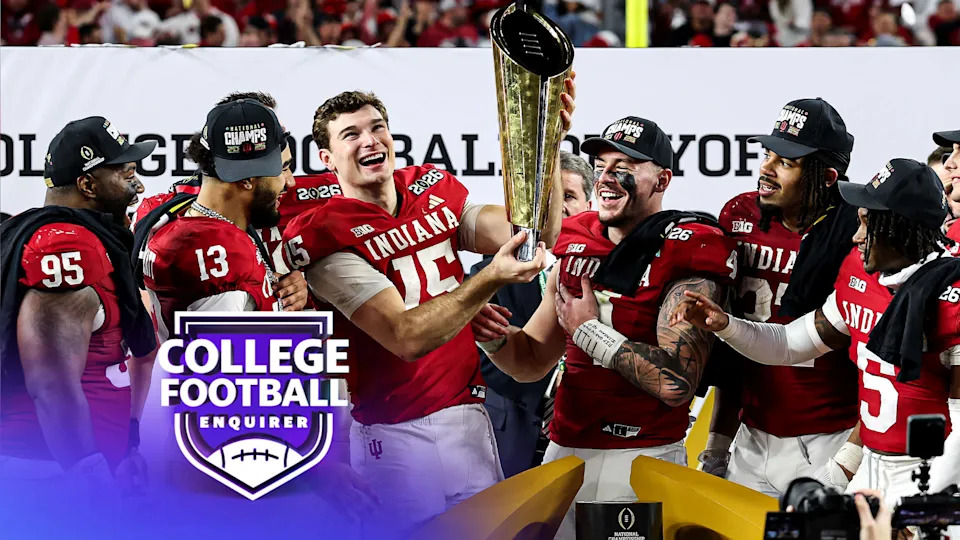
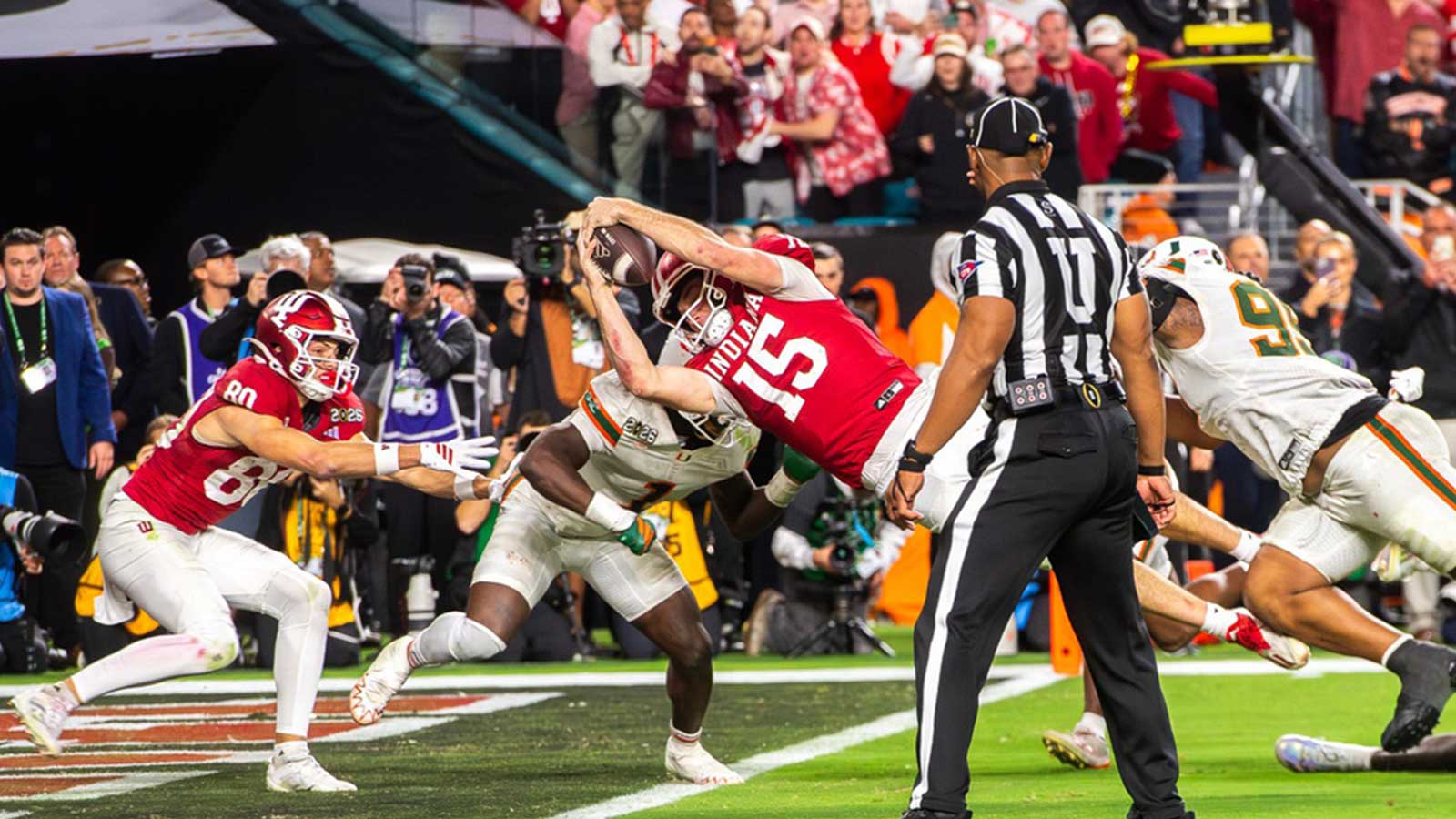
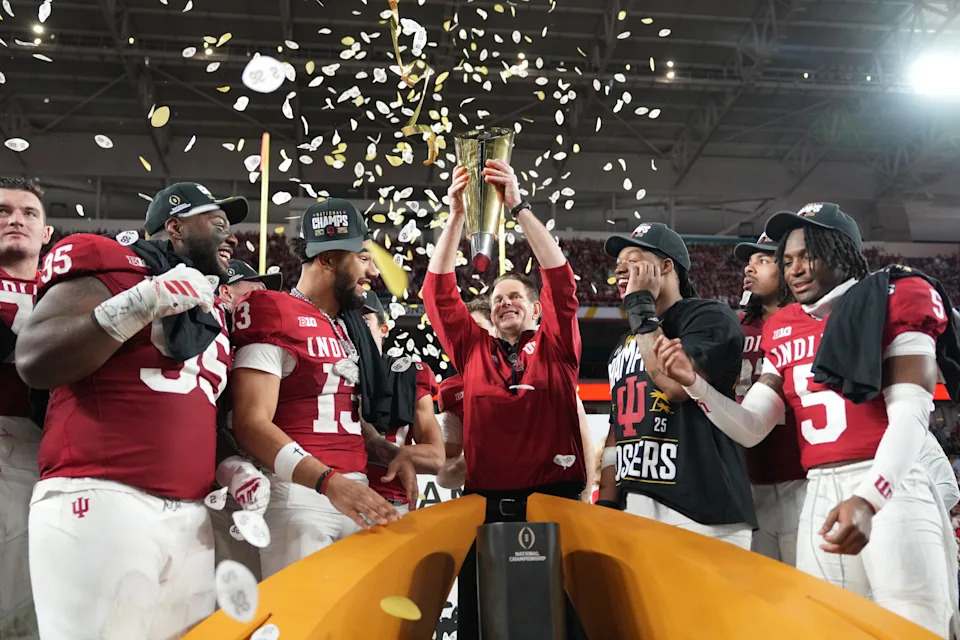
Miami football stepped into the national spotlight and walked away with a loss that will resonate well beyond the final whistle. The Hurricanes’ loss to the Indiana Hoosiers in the College Football Playoff Championship Game exposed flaws that lingered beneath the surface all season, finally emerging under the brightest lights. In a game marked by errors, inadequate planning, and missed chances, Miami had control over its destiny—and let it elude them.
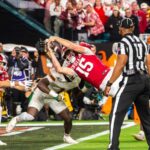
The most damage came from the special teams unit, where a disastrous 10-point swing altered the trajectory of the contest. Early in the game, Alex Bauman failed to secure the edge on a punt, allowing Indiana’s Mikail Kamara to surge through untouched. As a result, the Hurricanes punt was blocked and jumped on for a touchdown—a momentum-shifting play rarely seen on a stage of this magnitude. Indiana had shown a clear tendency to pressure punts, yet Miami appeared unprepared for it. Later, kicker Carter Davis missed a 50-yard field goal just before halftime. The miss sent the Hurricanes into the locker room scoreless and trailing 10-0, a psychological blow that felt large the rest of the night.
Offensive issues only compounded the damage. Miami’s first half lacked rhythm, creativity, and urgency. Mark Fletcher Jr. averaged an impressive 6.6 yards per carry, yet he did not receive a single rushing attempt before halftime. That decision stripped the offense of balance and predictability, allowing Indiana’s defense to dictate terms. The Hurricanes managed just 18 yards in the first quarter and 69 total yards in the opening half. Three first-half three-and-outs underscored how unprepared quarterback Carson Beck and the Hurricanes looked compared to their usual standard.
Play-calling further highlighted the team’s struggles. The scheme leaned conservative and failed to distribute the ball effectively, enabling the Hoosiers’ defense to crowd passing lanes and control the tempo. Miami’s offensive stagnation forced the Hurricanes into a reactive posture, chasing points rather than establishing control. Once the game shifted into that mode, the margin for error disappeared.
To their credit, the Hurricanes showed resilience in the second half, mounting a rally that cut the deficit to 27–21. The comeback effort demonstrated resolve, but execution faltered when precision mattered most. The final drive opened with a costly delay-of-game penalty, burning precious time and field position. With 48 seconds remaining, Beck underthrew a pass intended for wide receiver Keelan Marion, resulting in an interception that sealed the outcome. The decision ignored the realities of college clock management, where safer intermediate routes could have preserved the chance for a final push.
Discipline issues further compounded the Hurricanes’ struggles Monday night in South Beach. Seven penalties stalled drives and extended Indiana possessions, each mistake adding pressure to an already strained comeback attempt. When combined with special teams failures and first-half offensive paralysis, the Hurricanes left themselves with no room to recover.
This loss was not the result of a talent gap or bad luck. Lapses in preparation, discipline, and decision-making undid Miami football. Until those areas stabilize, games like this will continue to serve as harsh reminders that at this level, every mistake carries a cost—and the Hurricanes, on this night, paid all of them.
The post Miami Hurricanes most to blame after heartbreaking loss to Indiana appeared first on ClutchPoints.
CHECK OUT THE HOTTEST DEALS ON AMAZON!
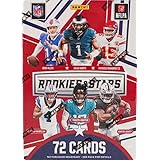
NEW 2025 ROOKIES and STARS Football Card HOBBY Direct BLASTER Box, 1 Autograph or Jersey Card Per Box!
$89.99 (as of January 19, 2026 14:54 GMT +00:00 - More infoProduct prices and availability are accurate as of the date/time indicated and are subject to change. Any price and availability information displayed on [relevant Amazon Site(s), as applicable] at the time of purchase will apply to the purchase of this product.)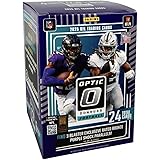
2025 Panini Donruss Optic Football Sealed Blaster Box (6 Packs/Box)
$72.00 (as of January 19, 2026 14:54 GMT +00:00 - More infoProduct prices and availability are accurate as of the date/time indicated and are subject to change. Any price and availability information displayed on [relevant Amazon Site(s), as applicable] at the time of purchase will apply to the purchase of this product.)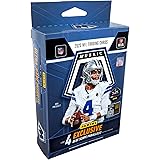
2025 Panini Mosaic Football Trading Cards Hanger Box
$38.00 (as of January 19, 2026 14:54 GMT +00:00 - More infoProduct prices and availability are accurate as of the date/time indicated and are subject to change. Any price and availability information displayed on [relevant Amazon Site(s), as applicable] at the time of purchase will apply to the purchase of this product.)
2025 2026 Upper Deck Series One Hockey Unopened Blaster Box of Packs with a Young Guns Rookie Card, an OPC Glossy Card, an Encore Insert and Green Dazzler Card Plus
$28.99 (as of January 19, 2026 14:54 GMT +00:00 - More infoProduct prices and availability are accurate as of the date/time indicated and are subject to change. Any price and availability information displayed on [relevant Amazon Site(s), as applicable] at the time of purchase will apply to the purchase of this product.)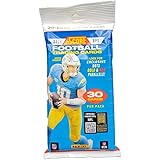
2024 Panini Score Football NFL Trading Card Jumbo Pack (Gold & Red Parallels)
$11.50 (as of January 19, 2026 14:54 GMT +00:00 - More infoProduct prices and availability are accurate as of the date/time indicated and are subject to change. Any price and availability information displayed on [relevant Amazon Site(s), as applicable] at the time of purchase will apply to the purchase of this product.)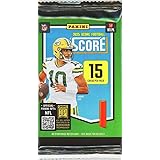
2025 Panini SCORE Football EXCLUSIVE HUGE Factory Sealed MEGA Foil Pack with 15 Brand New Cards Including ROOKIES & PARALLEL! Look for Travis Hunter,Jaxson Dart, Ashton Jeanty,Cam Ward & Many More!
$11.95 (as of January 19, 2026 14:54 GMT +00:00 - More infoProduct prices and availability are accurate as of the date/time indicated and are subject to change. Any price and availability information displayed on [relevant Amazon Site(s), as applicable] at the time of purchase will apply to the purchase of this product.)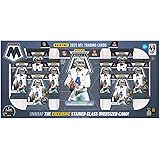
2025 Panini Mosaic Football Flagship Collection Trading Card Box (1 Stained Glass Oversized Card Per Box)
$60.95 (as of January 19, 2026 14:54 GMT +00:00 - More infoProduct prices and availability are accurate as of the date/time indicated and are subject to change. Any price and availability information displayed on [relevant Amazon Site(s), as applicable] at the time of purchase will apply to the purchase of this product.)
2025 Panini Revolution Football Trading Cards Mega Box
$74.00 (as of January 19, 2026 14:54 GMT +00:00 - More infoProduct prices and availability are accurate as of the date/time indicated and are subject to change. Any price and availability information displayed on [relevant Amazon Site(s), as applicable] at the time of purchase will apply to the purchase of this product.)
2025 Topps Allen & Ginter Baseball BLASTER box (8 pks/bx)
$44.99 (as of January 19, 2026 14:54 GMT +00:00 - More infoProduct prices and availability are accurate as of the date/time indicated and are subject to change. Any price and availability information displayed on [relevant Amazon Site(s), as applicable] at the time of purchase will apply to the purchase of this product.)
2025 Topps Baseball Complete 705 Card Factory Sealed HOBBY Factory Set with (5) EXCLUSIVE FOILBOARDS #/417! Includes all Series 1 + 2 Cards Including Shohei Ohtani, Aaron Judge Bobby Witt Jr & More!
$99.95 (as of January 19, 2026 14:54 GMT +00:00 - More infoProduct prices and availability are accurate as of the date/time indicated and are subject to change. Any price and availability information displayed on [relevant Amazon Site(s), as applicable] at the time of purchase will apply to the purchase of this product.)Related Posts






Post Comment