Strategic_openings_and_the_tower_rush_dominating_early_game_scenarios
Conversely, a failed tower rush can be equally demoralizing for the attacker. The investment of resources and the commitment to an all-in strategy leaves them vulnerable if the rush is successfully defended. This can create a significant economic disadvantage and allow the opponent to seize the initiative. It’s a high-risk, high-reward tactic, and understanding the psychological implications can help you make informed decisions about when and how to deploy it.
Beyond Early Game: Transitioning from a Tower Rush
While a successful tower rush can secure an early advantage, it's rarely a guaranteed path to victory. The opponent will eventually adapt, build up their defenses, and develop a counter-strategy. Therefore, it's essential to have a plan for transitioning from the early-game aggression of the tower rush into a mid-to-late game strategy. This may involve expanding your base, building a powerful army, and securing control of key resources. Ignoring this transition phase is a common mistake that can lead to the loss of an initial lead.
CHECK OUT THE HOTTEST DEALS ON AMAZON!
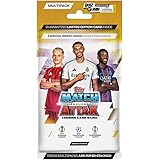
2025/26 Topps Match Attax Multipack - Look for a Guaranteed Limited Edition Card
$9.99 (as of September 10, 2026 03:39 GMT +00:00 - More infoProduct prices and availability are accurate as of the date/time indicated and are subject to change. Any price and availability information displayed on [relevant Amazon Site(s), as applicable] at the time of purchase will apply to the purchase of this product.)
2025 Topps Resurgence Football BLASTER box (8 pks/bx)
$59.99 (as of September 10, 2026 03:59 GMT +00:00 - More infoProduct prices and availability are accurate as of the date/time indicated and are subject to change. Any price and availability information displayed on [relevant Amazon Site(s), as applicable] at the time of purchase will apply to the purchase of this product.)
2024-25 Topps Chrome NBA Basketball - Factory Sealed - Value Box
$43.99 (as of September 10, 2026 03:39 GMT +00:00 - More infoProduct prices and availability are accurate as of the date/time indicated and are subject to change. Any price and availability information displayed on [relevant Amazon Site(s), as applicable] at the time of purchase will apply to the purchase of this product.)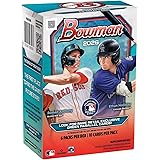
2026 Bowman Baseball Blaster Trading Card Box (Look for Retail Exclusive Green Parallels)
$52.85 (as of September 10, 2026 03:39 GMT +00:00 - More infoProduct prices and availability are accurate as of the date/time indicated and are subject to change. Any price and availability information displayed on [relevant Amazon Site(s), as applicable] at the time of purchase will apply to the purchase of this product.)
2026 Soccer Trading Cards | 55 Unique Collectible Cards per Box | Premium Paper, for Soccer Fans of All Ages, Ideal for Collecting & Trading (Non-Original) (Multicolors)
$18.99 (as of September 10, 2026 03:39 GMT +00:00 - More infoProduct prices and availability are accurate as of the date/time indicated and are subject to change. Any price and availability information displayed on [relevant Amazon Site(s), as applicable] at the time of purchase will apply to the purchase of this product.)
2026 Topps Series 1 Celebration Baseball Trading Card Value Bundle, 2 Factory Sealed Packs, 28 Cards Total, MLB Trading Cards for Collectors
$28.99 (as of September 10, 2026 03:59 GMT +00:00 - More infoProduct prices and availability are accurate as of the date/time indicated and are subject to change. Any price and availability information displayed on [relevant Amazon Site(s), as applicable] at the time of purchase will apply to the purchase of this product.)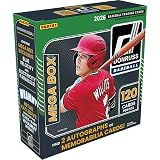
2026 Panini Donruss Baseball Retail Mega Box | Factory Sealed MLB Trading Cards | Exclusive Mega Box Parallels | Rated Prospects, Optic Cards, Inserts & Rare Chase Cards
$52.48 (as of September 10, 2026 03:39 GMT +00:00 - More infoProduct prices and availability are accurate as of the date/time indicated and are subject to change. Any price and availability information displayed on [relevant Amazon Site(s), as applicable] at the time of purchase will apply to the purchase of this product.)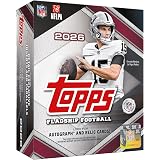
2026 Topps NFL Flagship Football - Factory Sealed - Mega Box
$69.91 (as of September 10, 2026 03:39 GMT +00:00 - More infoProduct prices and availability are accurate as of the date/time indicated and are subject to change. Any price and availability information displayed on [relevant Amazon Site(s), as applicable] at the time of purchase will apply to the purchase of this product.)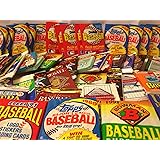
100 Vintage Baseball Cards in Old Sealed Wax Packs - Perfect for New Collectors
$15.48 (as of September 10, 2026 03:39 GMT +00:00 - More infoProduct prices and availability are accurate as of the date/time indicated and are subject to change. Any price and availability information displayed on [relevant Amazon Site(s), as applicable] at the time of purchase will apply to the purchase of this product.)