







Unlocking the Secrets: How to Score Exclusive World Cup 2026 Quarter-Final & Third-Place Tickets at Miami’s Hard Rock Stadium
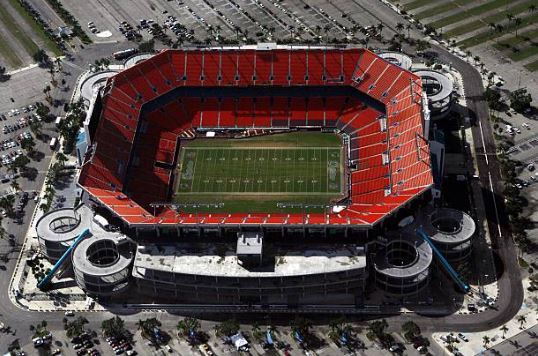
When you talk about Miami Gardens and the FIFA World Cup 2026, you’re really diving into one of the most electrifying spots on the global soccer map right now. Hard Rock Stadium, a venue with a rich history from Super Bowls to Lionel Messi hoisting the Copa América trophy just last year, is slated to host seven monumental matches—highlighting quarter-finals and the third-place showdown in mid-July. Imagine a city where the energy of the Latin American diaspora isn’t just felt but roars through the stands, making the atmosphere rival the world’s top arenas. That alone sets Miami apart. What’s more, you get to pair jaw-dropping football with the sunshine life — beaches a short hop away, buzzing nightlife accessible from downtown, and cruise ports that add a splash of vacation excitement. Sure, the prices might lean premium, and logistics can be a puzzle with two airports and a sprawling metro area, but that’s part of the allure. This isn’t just about watching a game; it’s about experiencing a cultural fiesta wrapped up in top-tier sport amidst Florida’s vibrant backdrop. Now, if you’re wondering which matches to snag, ticket realities, or how to navigate getting to Miami Gardens without losing your mind, this guide’s got your back. Ready to explore the heartbeat of World Cup fever in Miami? LEARN MORE
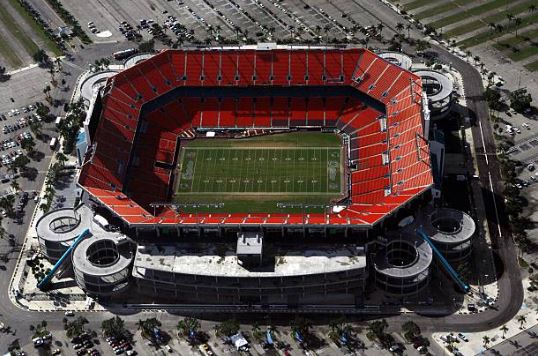
Hard Rock Stadium hosts seven FIFA World Cup 2026 matches. Miami Gardens’ schedule includes the July 11 quarter-final and July 18 third-place match. This is the place where Lionel Messi lifted the Copa América trophy in 2024 and where South Florida’s substantial Latin American community creates an atmosphere rivaling any venue in the Americas (and beyond).
The seven-match calendar features the likes of Brazil, Portugal, Colombia, and Uruguay across group stage fixtures, plus knockout rounds determining bronze medalists and a semi-final spot and it’s safe to say this might very easily be the fan-favorite city for the upcoming World Cup.
Miami’s location alone – with beaches 10 miles east, cruise ports adjacent, nightlife districts walkable from downtown – creates the tournament’s most tourism-friendly host city for supporters combining football with a Florida vacation.
This guide is here to address the practical questions:
- Which matches justify Miami’s premium costs
- What knockout tickets actually run
- How to reach Miami Gardens from dual airports
- And whether beach tourism enhances or complicates World Cup logistics
The readers who want to learn more about the SoccerNews.com 2026 FIFA World Cup series, the following read is recommended:
Hard Rock Stadium: The Venue
Capacity: 65,000 (World Cup configuration)
Location: 347 Don Shula Drive, Miami Gardens, FL 33056
Opened: 1987
Renovations: £276 million ($350 million, 2015-2016)
Distance from Miami Beach: 18 miles
Distance from Downtown Miami: 15 miles
Hard Rock Stadium sits in Miami Gardens, a suburb north of Miami proper and south of Fort Lauderdale. The venue opened in 1987 as Joe Robbie Stadium, and underwent extensive 2015-2016 renovations, adding partial canopy coverage protecting 92% of seats from Miami’s afternoon thunderstorms while maintaining an open-air atmosphere.
The £276 million renovation prioritized spectator comfort in Florida heat. The improvements included shade from overhead canopy, improved ventilation, wider concourses, and upgraded food service, addressing complaints from earlier configurations. The result functions well for July football, offering partial protection from elements without the enclosed stuffiness of domed venues.
FIFA modifications include field width adjustments and natural grass replacing the hybrid surface used for Dolphins games. The venue also officially becomes “Miami Stadium” during the tournament per FIFA sponsor regulations.
The Hard Rock Stadium boasts a wealthy Super Bowl legacy. It has so far hosted six Super Bowls (1989, 1995, 1999, 2007, 2010, 2020) thus establishing infrastructure competence for major sporting events. The 2024 Copa América final between Argentina and Colombia attracted a crowd of 65,326 people despite security issues during entry that FIFA will address through stricter protocols for 2026.
Official Resources:
Complete Match Schedule
| Match # | Date | Kickoff (ET) | Round | Teams |
| 13 | June 15 | 6:00 PM | Group H | Saudi Arabia vs Uruguay |
| 37 | June 21 | 6:00 PM | Group H | Uruguay vs Cabo Verde |
| 49 | June 24 | 6:00 PM | Group C | Scotland vs Brazil |
| 71 | June 27 | 7:30 PM | Group K | Colombia vs Portugal |
| 86 | July 3 | 6:00 PM | Round of 32 | Group J Winner vs Group H 2nd |
| 99 | July 11 | 5:00 PM | Quarter-Final | TBD vs TBD |
| 103 | July 18 | 5:00 PM | Third-Place | TBD vs TBD |
Source: FIFA Official Schedule
The Marquee Fixtures
Brazil Group Stage (June 24): Five-time champions face Scotland in Group C action. Brazil’s traveling support traditionally transforms venues around the world into carnivals. Match visitors should expect a capacity crowd, premium pricing, and a feisty atmosphere despite Scotland’s underdog role.
Colombia vs Portugal (June 27): Cristiano Ronaldo’s potentially final World Cup alongside Colombia’s attacking talent. Both teams bring substantial Miami-area diaspora support where both Colombian and Portuguese communities are expected to create genuine home advantage for their respective sides.
Uruguay Twice: Group H features Uruguay on June 15 against Saudi Arabia and June 21 versus Cabo Verde. Uruguay are two-time champions with passionate traveling support, and their presence guarantees a ferocious atmosphere even in nominally neutral fixtures.
Quarter-Final (July 11): Four teams remain with semi-final berths at stake. The 5:00 PM kickoff accommodates European viewing (10:00 PM London, 11:00 PM Paris) while maintaining reasonable Florida timing. This represents Miami’s highest-stakes match.
Third-Place Match (July 18): The “match nobody wants to play” follows devastating semi-final defeats. A bronze medal still matters. The third place carries prestige, and losing finalists often field full-strength squads seeking tournament redemption.
For more football predictions and detailed match analysis, we suggest you visit our dedicated page here.
Ticket Prices by Round
Pricing Disclaimer: Based on FIFA official pricing as of December 2025. Includes mandatory 15% processing fee. Secondary market prices fluctuate based on demand and advancing teams.
Official FIFA Pricing
| Match Type | Category 4 | Category 3 | Category 2 | Category 1 |
| Group Stage (Premium) | £79-158
($100-$200) |
£158-315 ($200-$400) | £237-473 ($300-$600) | £394-631
($500-$800) |
| Group Stage (Standard) | £47-82
($60-$105) |
£94-158
($120-$200) |
£158-315 ($200-$400) | £237-489
($300-$620) |
| Round of 32 | £63-118 ($80-$150) | £118-197 ($150-$250) | £237-394 ($300-$500) | £315-631
($400-$800) |
| Quarter-Final | £118-237 ($150-$300) | £237-394 ($300-$500) | £473-631 ($600-$800) | £631-1,183 ($800-$1,500) |
| Third-Place | £94-197
($120-$250) |
£197-315 ($250-$400) | £315-552 ($400-$700) | £473-789
($600-$1,000) |
Brazil & Portugal Premium
Scotland vs Brazil and Colombia vs Portugal command upper-range group stage pricing. Expect £394-631 ($500-$800) for Category 1 seats through the FIFA lottery. Secondary markets quote £631-789 ($800-$1,000) for Brazil, £552-710 ($700-$900) for Portugal.
Uruguay fixtures offer relative value: £237-489 ($300-$620) for Category 1 seats delivers former champions at a moderate cost.
Knockout Pricing Reality
Quarter-Final: If Brazil or Portugal advance and meet in Miami (mathematically possible through specific bracket outcomes), secondary market pricing doubles. Current estimates: £1,183-1,577 ($1,500-$2,000) for Category 1 seats.
Third-Place: Historically undervalued—bronze medal match tickets trade 30-40% below quarter-final rates. Category 1 seats at £473-789 ($600-$1,000) provide knockout football quality at group stage-adjacent pricing.
Secondary Market Access
Secondary markets are to be chosen wisely. One of our recommended websites is TicketCenter.com. It provides verified inventory with guaranteed delivery.
Budget Strategy: Uruguay fixtures (£237-489 / $300-$620 Category 1) plus third-place match (£473-789 / $600-$1,000) delivers three matches at £710-1,278 ($900-$1,620) total, which is a good option for knockout football without quarter-final premiums.
Getting to Miami Gardens
Hard Rock Stadium is accessible from Miami International Airport (MIA, 17 miles) or Fort Lauderdale-Hollywood International (FLL, 10 miles). No direct rail service exists, so supporters will need to drive, take a rideshare, or navigate limited bus options to get there.
From Miami International Airport (MIA)
By Rideshare:
- Cost: £23.70-39.50 ($30-$50) normal pricing
- Journey time: 25-30 minutes ideal; 40-50 minutes with traffic
- Post-match surge: £63.19-118.50 ($80-$150) common
By Rental Car:
- FL-112 West (Airport Expressway) to I-95 North to NW 199th Street
- Journey time: 25-30 minutes
- Parking: £23.70-47.40 ($30-$60) stadium lots, gates open 4-5 hours before kickoff
By Public Transit (Complex):
- Metrorail Green Line to Government Center
- Transfer to 95 bus toward Aventura Mall
- Exit near stadium (90+ minute total journey)
- Not recommended due to limited service frequency and complexity
From Fort Lauderdale Airport (FLL)
By Rideshare:
- Cost: £19.75-31.60 ($25-$40) normal pricing
- Journey time: 15-20 minutes
- Closest airport to stadium, preferred for direct access
By Rental Car:
- I-95 South to NW 199th Street
- Journey time: 15-20 minutes
By Brightline (Indirect):
- Brightline to Aventura Station
- Rideshare/taxi to complete journey (£11.85-15.80 / $15-$20)
- Total journey: 35-45 minutes, £23.70-31.60 ($30-$40)
From Miami Beach / Downtown Miami
By Rideshare:
- From Miami Beach: £31.60-47.40 ($40-$60), 30-40 minutes
- From Downtown: £23.70-39.50 ($30-$50), 25-35 minutes
- Post-match surge multipliers of 2-3x standard pricing
By Car:
- I-95 North from downtown, I-195 West to I-95 North from beach
- Journey times assume moderate traffic; add 15-30 minutes for match days
Parking Reality
27,000 parking spaces surround Hard Rock Stadium. Post-match egress requires 60-90 minutes as vehicles depart simultaneously. That said, you’d be well-advised to arrive 3-4 hours before kickoff for reasonable parking positions near exits.
Where to Stay
Miami accommodations divide along beach proximity, urban character, and cost. Miami Beach offers quintessential Florida tourism at premium rates. Brickell provides downtown urban experience. Wynwood delivers arts district character. Fort Lauderdale reduces costs while maintaining beach access. There’s someone for everyone.
Miami Beach
Cost: £197-473 ($250-$600) per night
Advantages: Ocean access, Art Deco district, iconic South Beach, walkable entertainment
Disadvantages: 18 miles from stadium (30-40 minute drive), tourist saturation, highest costs
Best For: Supporters prioritizing beach tourism, first-time Florida visitors
Areas:
- South Beach: Art Deco architecture, nightlife density, £237-473 ($300-$600)
- Mid-Beach: Quieter alternative, resort hotels, £197-315 ($250-$400)
- North Beach: Residential character, lower costs, £158-237 ($200-$300)
Downtown Miami / Brickell
Cost: £158-315 ($200-$400) per night
Advantages: Urban dining, Metrorail access, walkable Brickell district, waterfront
Disadvantages: 15 miles from the stadium, limited beach access, urban environment
Best For: Business travelers, supporters prioritizing downtown experience over beach
Hotels: Four Seasons, Mandarin Oriental (£315-473 / $400-$600); Hampton Inn, Courtyard (£158-237 / $200-$300)
Wynwood
Cost: £118-197 ($150-$250) per night
Advantages: Arts district murals, craft breweries, restaurant scene, local character
Disadvantages: Limited hotels (mostly Airbnb/rentals), 14 miles from stadium
Best For: Younger supporters seeking an authentic Miami neighborhood over tourist zones
Fort Lauderdale
Cost: £118-237 ($150-$300) per night
Advantages: Beach access, 10 miles from stadium (closest beach area), lower costs than Miami Beach
Disadvantages: Less Miami character, requires driving between the city/stadium
Best For: Budget-conscious supporters wanting beach proximity
Areas:
- Fort Lauderdale Beach: Direct ocean access, restaurant strip, £158-237 ($200-$300)
- Las Olas: Downtown walkable district, £118-197 ($150-$250)
Miami Gardens Area
Cost: £79-118 ($100-$150) per night
Advantages: Minimal commute, lowest costs
Disadvantages: Suburban environment, zero tourism appeal, limited dining
Best For: Budget supporters prioritizing stadium proximity over experience
Miami’s Soccer Culture & Latin American Connection
Miami’s substantial Latin American population consists mainly of Cuban, Colombian, Venezuelan, Argentine, and Brazilian communities. Inside the stadium, it combines into what becomes an authentic football atmosphere.
Inter Miami CF’s arrival in MLS brought one of football’s greatest ever in Lionel Messi, and created an unprecedented American soccer phenomenon. Matches sell out immediately, ticket prices triple, and Miami now embraces football culture previously absent from many American markets. Such football hype is bound to overflow into the FIFA World Cup 2026 as well.
The Colombian community (estimated at 200,000+ in South Florida) will create a home advantage when Colombia plays Portugal. Brazilian diaspora similarly transforms Scotland vs Brazil into a partisan affair. This isn’t neutral-site football. Miami’s demographics favor Latin American teams substantially, and such games will provide an otherwise unseen atmosphere.
Messi Connection: The Copa América trophy presentation occurred on Hard Rock Stadium’s field. For supporters of Argentine heritage or Messi admirers, the venue carries recent historical significance beyond the typical World Cup host city context.
Beach & World Cup: Combining Tourism
With the Stadium being just 10 miles inland, with beaches 18 miles east, and downtown 15 miles south, this creates logistics complexity that rewards those treating the World Cup as a multi-day vacation rather than a match-only visit.
Match-Day Compatible Activities
Miami Beach (Morning): Ocean swimming, Art Deco walking tours, South Pointe Park
Timing: 9:00 AM – 1:00 PM before evening matches (6:00-7:30 PM kickoffs)
Everglades (Half-Day): Airboat tours 30 miles west of downtown, 2-3 hours including transport
Timing: Morning departure for afternoon match days
Wynwood Walls: Street art district, outdoor murals, breweries
Timing: 2-hour visit fits before evening matches
Vizcaya Museum: Italian Renaissance villa, waterfront gardens
Timing: 2-hour visit, closes 5:00 PM
Non-Match Days
Key West: 160 miles south, full-day excursion or overnight
Fort Lauderdale Beach: 10 miles north, less crowded than Miami Beach
Coral Gables: Mediterranean architecture, Venetian Pool
Nightlife & Restaurants
Essential Dining
Cuban (Required Miami Experience):
- Versailles (Little Havana): Iconic Cuban restaurant, counter service, affordable
- La Carreta (Multiple locations): 24-hour Cuban comfort food
- El Exquisito (Little Havana): Small portions, authentic flavors
Seafood:
- Joe’s Stone Crab (South Beach): Miami institution (closed summer—reopens October)
- Garcia’s Seafood (Downtown): Waterfront, fresh catch
- Casablanca (Fort Lauderdale): Upscale seafood, ocean views
Latin American:
- CVI.CHE 105 (Downtown): Peruvian, ceviche focus
- Fogo de Chão (Brickell): Brazilian steakhouse
- Bachour (Coral Gables): Pastries, Lebanese-influenced
Fine Dining:
- Stubborn Seed (South Beach): Michelin-starred, reservations essential
- Le Zoo (Bal Harbour): French bistro, upscale
- Mandolin (Design District): Greek-Mediterranean, garden setting
Nightlife Districts
- South Beach: Ocean Drive concentration, tourist-oriented, 1:00-5:00 AM closing
- Wynwood: Arts district bars, craft breweries, younger crowd, 11:00 PM-2:00 AM typical
- Brickell: Financial district transforms evenings, rooftop bars, professional crowd
- Little Havana: Calle Ocho (8th Street), salsa clubs, Latin music venues
Post-Match Reality: Evening kickoffs (6:00-7:30 PM) mean 8:30-10:00 PM returns to accommodation, which is ideal timing for late dining and nightlife. At the same time, afternoon kickoffs provide full evening availability and better planning.
The Bottom Line
Miami hosts the World Cup’s beach tourism variant. It’s the only venue where ocean swimming and knockout football coexist within 20 miles. Hard Rock Stadium’s seven-match schedule spans Brazil, Portugal, Colombia, and Uruguay group stage fixtures through quarter-final and third-place knockout rounds.
The logistics challenge Miami’s sprawl: stadium in Miami Gardens, beaches 18 miles east, downtown 15 miles south, two airports serving the region. No convenient rail system unifies these elements, forcing supporters to drive, ride share, or accept complex public transit. Budget £31.60-47.40 ($40-$60) for stadium round-trips from beach or downtown accommodations. Is it worth it? You’ll be the judge of that.
Path to Attendance:
- Tickets: Lottery by January 13 or secondary markets (£631-1,183 / $800-$1,500 for quarter-final Category 1)
- Transport: Fort Lauderdale Airport (FLL) provides the closest access; budget rideshare costs, including surge pricing
- Accommodation: Miami Beach tourism (£197-473 / $250-$600) versus Fort Lauderdale value (£118-237 / $150-$300)
FAQs
When should I book accommodation?
Immediately for the quarter-final. Six months advance for group stage. Miami Beach fills fastest. Fort Lauderdale offers better availability at lower costs.
Which airport is better—MIA or FLL?
Fort Lauderdale (FLL) sits 10 miles from the stadium, versus Miami’s 17 miles. If flights and costs are comparable, choose FLL for stadium proximity. MIA provides better access to Miami Beach and downtown.
What’s July weather like?
Hot and humid: 85-90°F (29-32°C) with 70-80% humidity. Afternoon thunderstorms occur 40-50% of days, but typically are brief (30-45 minutes). Hard Rock Stadium’s canopy protects 92% of seats. Bring a light rain jacket, expect heat.
Hurricane season concerns?
Atlantic hurricane season runs June 1-November 30, with peak August-October. The July risk exists but remains lower than later summer. FIFA and venue management maintain weather monitoring protocols. No hurricane has struck Miami during World Cup dates in historical records, though tropical storms are possible.
How early should I arrive?
Group stage: 2 hours adequate. Quarter-final/third-place: 2.5-3 hours for security, parking, atmosphere. Gates open 4-5 hours before kickoff.
Stadium bag policy?
Clear bags (12″ x 6″ x 12″) or small clutches (4.5″ x 6.5″) only. Prohibited: backpacks, large purses, outside food/beverage, professional cameras, and umbrellas.
Can I combine a cruise with the World Cup?
PortMiami is 18 miles from the stadium. Some cruise lines offer 3-4 day Bahamas itineraries departing Miami—combining with the World Cup creates a football-vacation hybrid. Check cruise dates align with the match schedule.
Beach vs stadium—which priority?
If attending a single match: Stay in Miami Beach, accept 30-40 minute drive. If attending multiple matches: Stay Fort Lauderdale (beach access plus closer proximity) or Miami Gardens (eliminate commute, sacrifice tourism).

















Post Comment