





Knicks vs. Hawks Playoff Showdowns: Uncovering the Untold Drama Behind Their Epic Rivalry
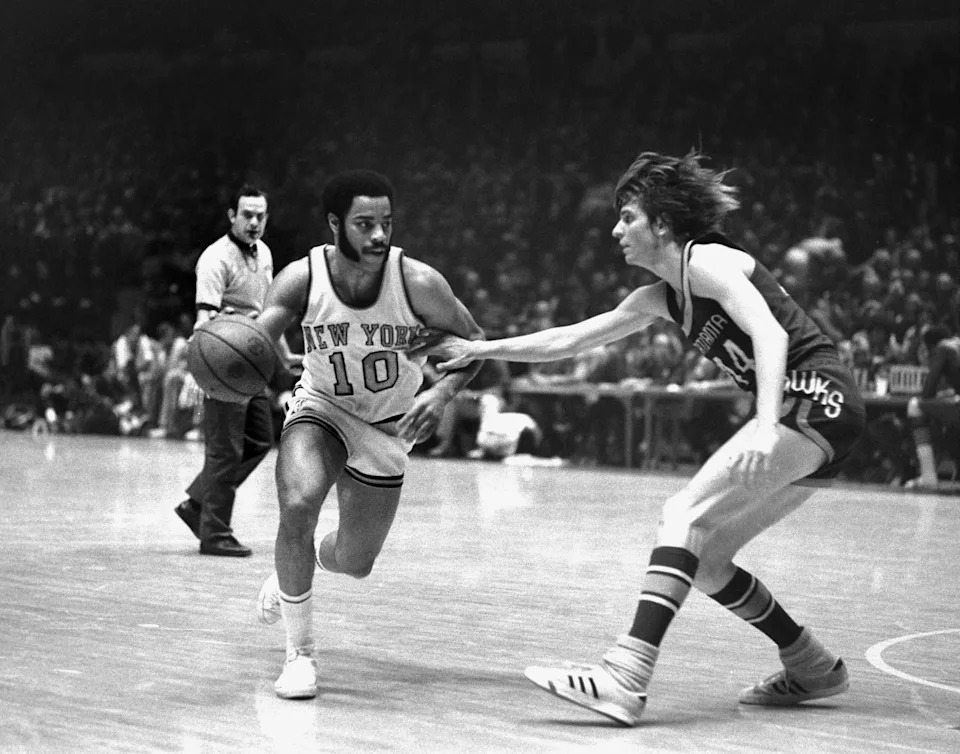
The numbers tell part of it, but the feel of that series says even more. The Knicks averaged 110 points per game, with Walt Frazier leading the way at 25.6 a night while doing a little bit of everything. Dick Barnett gave them another 22 per game. Inside, Willis Reed and Dave DeBusschere controlled the paint, combining for over 30 rebounds per game and setting the physical tone that Atlanta couldn’t match. It was not about individual brilliance as much as it was about collective reliability. That Knicks team knew exactly who it was, and Atlanta did not have the personnel or cohesion to disrupt that.
Nearly three decades later, the two teams met again in 1999, and this series carries far more weight when viewed in context. The Knicks entered that postseason as an 8 seed in a lockout-shortened season, having gone just 27-23 in the regular season. Expectations were minimal, and their first-round matchup against the top-seeded Miami Heat was widely viewed as a formality. Instead, the Knicks pulled off one of the most memorable upsets in franchise history, winning that series in five games and completely shifting the trajectory of their season. Waiting for them in the second round was Atlanta, a team that had finished 31-19 and was considered far more stable and complete at that point in time.
The Knicks had already adjusted to life without Patrick Ewing before the playoffs. This wasn’t a team scrambling to replace him, it was a team that had already evolved. Marcus Camby brought a completely different dynamic with his length, mobility, and defensive activity, anchoring a more aggressive and disruptive approach. He didn’t just fill a role, he changed the energy. His weakside shot blocking, quick rotations, and ability to cover ground gave the Knicks a defensive presence that felt everywhere at once, and when he got going, the Garden felt it. The rejections at the rim, the putback slams, the transition finishes, it all brought a level of electricity that fed into the team’s identity. On both ends, Camby made the game feel faster, more chaotic, and more alive, and Atlanta never adjusted to it.

CHECK OUT THE HOTTEST DEALS ON AMAZON!
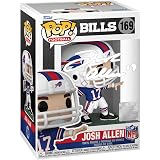
Josh Allen #169 Facsimile Signed Reprint Laser Autographed Funko POP! Football NFL: Buffalo Bills Figurine with Protector Case
$29.99 (as of September 21, 2026 03:41 GMT +00:00 - More infoProduct prices and availability are accurate as of the date/time indicated and are subject to change. Any price and availability information displayed on [relevant Amazon Site(s), as applicable] at the time of purchase will apply to the purchase of this product.)
2026 Topps NFL Flagship Football - Factory Sealed - Mega Box
$69.91 (as of September 21, 2026 03:41 GMT +00:00 - More infoProduct prices and availability are accurate as of the date/time indicated and are subject to change. Any price and availability information displayed on [relevant Amazon Site(s), as applicable] at the time of purchase will apply to the purchase of this product.)
2025 Topps NFL Resurgence Football - Factory Sealed - Mega Box
$115.00 (as of September 21, 2026 03:41 GMT +00:00 - More infoProduct prices and availability are accurate as of the date/time indicated and are subject to change. Any price and availability information displayed on [relevant Amazon Site(s), as applicable] at the time of purchase will apply to the purchase of this product.)
2026 Soccer Trading Cards | 55 Unique Collectible Cards per Box | Premium Paper, for Soccer Fans of All Ages, Ideal for Collecting & Trading (Non-Original) (Golden)
$18.99 (as of September 21, 2026 03:41 GMT +00:00 - More infoProduct prices and availability are accurate as of the date/time indicated and are subject to change. Any price and availability information displayed on [relevant Amazon Site(s), as applicable] at the time of purchase will apply to the purchase of this product.)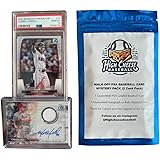
High Cheese Baseball Walk Off Mystery Pack - 2 Cards, 1 PSA Graded & 1 Autograph/Relic Ungraded
$39.99 (as of September 21, 2026 03:41 GMT +00:00 - More infoProduct prices and availability are accurate as of the date/time indicated and are subject to change. Any price and availability information displayed on [relevant Amazon Site(s), as applicable] at the time of purchase will apply to the purchase of this product.)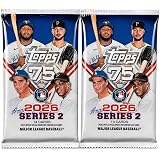
2026 Topps Series 2 Baseball Trading Card Value Bundle, 2 Exclusive Factory Sealed MEGA Foil Packs, 28 Cards Total, MLB Trading Cards for Collectors
$29.99 (as of September 21, 2026 03:41 GMT +00:00 - More infoProduct prices and availability are accurate as of the date/time indicated and are subject to change. Any price and availability information displayed on [relevant Amazon Site(s), as applicable] at the time of purchase will apply to the purchase of this product.)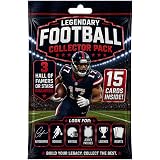
Football Card Legends Pack – 15 Cards Inside | 3 Guaranteed Hall of Famers or Stars | Look for Rookies, Patches, and Autographs for Collectors
$8.99 (as of September 21, 2026 03:41 GMT +00:00 - More infoProduct prices and availability are accurate as of the date/time indicated and are subject to change. Any price and availability information displayed on [relevant Amazon Site(s), as applicable] at the time of purchase will apply to the purchase of this product.)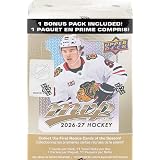
2026 2027 Upper Deck MVP Hockey Series Unopened Blaster Box of Packs with Chance for Rookies Plus #1 Draft Picks Cards and Blaster Exclusive Gold Scripts
$24.99 (as of September 21, 2026 03:41 GMT +00:00 - More infoProduct prices and availability are accurate as of the date/time indicated and are subject to change. Any price and availability information displayed on [relevant Amazon Site(s), as applicable] at the time of purchase will apply to the purchase of this product.)
Topps Flagship Premier League 2026/27 Trading Cards - Random Super Tin | Each Super Tin contains 50 cards including 3 On-Fire cards and 2 exclusive Blue Voltage parallels!
$46.95 (as of September 21, 2026 04:04 GMT +00:00 - More infoProduct prices and availability are accurate as of the date/time indicated and are subject to change. Any price and availability information displayed on [relevant Amazon Site(s), as applicable] at the time of purchase will apply to the purchase of this product.)













Post Comment