

The Shocking Truth Behind NFL Player Suicides: Is CTE the Real Culprit or Just the Tip of the Iceberg?
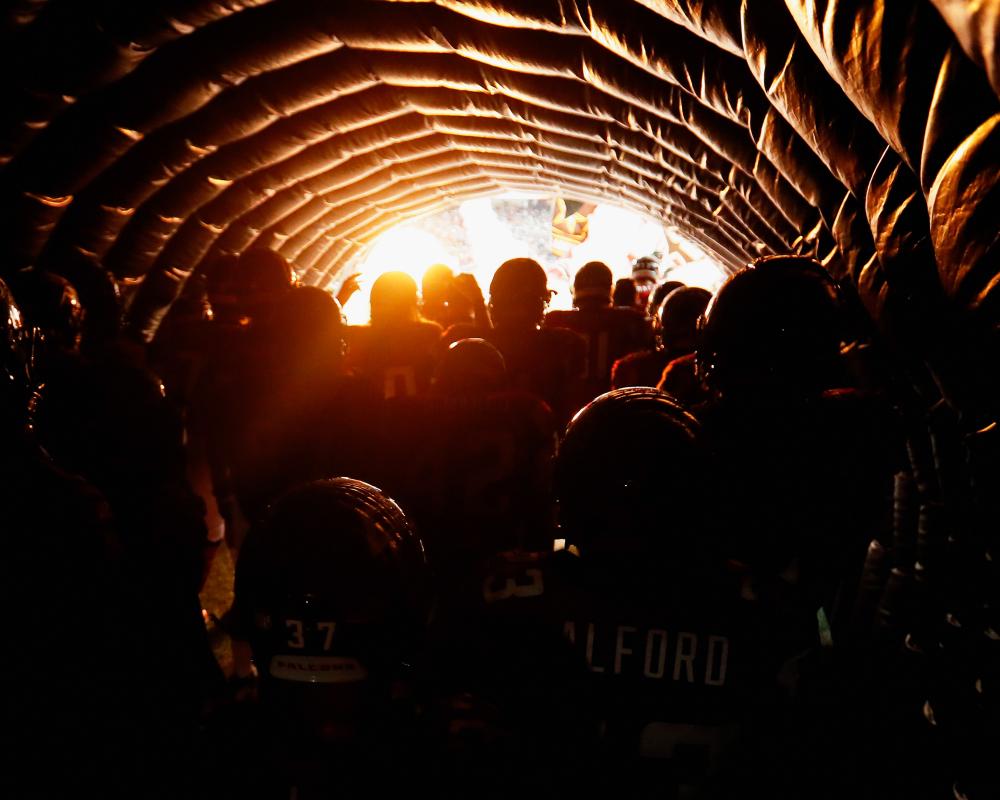

When an NFL player takes his own life, there is often speculation about why. Injuries and unemployment – a common occurrence in a violent sport where players are frequently traded and cut – have been linked with increased risks of suicidal ideation. In parallel to those factors, however, exists chronic traumatic encephalopathy (CTE). A degenerative brain condition caused by repeated trauma to the head, CTE’s links with football are established and almost impossible to ignore. Players ranging from widely admired Pro Bowlers such as Junior Seau and Dave Duerson, to those infamous for more notorious reasons, such as Aaron Hernandez and Phillip Adams, were all confirmed to have CTE by autopsies. (The condition can only be diagnosed posthumously.) All four players killed themselves.
Such anecdotal observations imply a certain, coherent logic that connects playing football with suicide. Tackle football, by its nature, increases participants’ risk of head injury. Head injuries increase the likelihood of an affected individual attempting suicide. CTE is often the cumulative consequence of years of head injuries and, indeed, many high-profile NFL players who have taken their own lives have been confirmed to suffer from CTE. So it’s easy to reason that football and/or CTE, by their very nature, lead to an increased risk of suicide.
It makes sense. But a new study says other factors are at play. To put it more precisely: the study says data does not support the notion that CTE is the only cause of NFL players’ increased risk of suicide.
Advertisement
CHECK OUT THE HOTTEST DEALS ON AMAZON!
Topps Baseball Series 1 Pack 2026 Trading Cards
$9.99 (as of August 16, 2026 03:27 GMT +00:00 - More infoProduct prices and availability are accurate as of the date/time indicated and are subject to change. Any price and availability information displayed on [relevant Amazon Site(s), as applicable] at the time of purchase will apply to the purchase of this product.)
2025-26 Topps Chrome Basketball - Factory Sealed - Mega Box
$238.99 (as of August 16, 2026 03:27 GMT +00:00 - More infoProduct prices and availability are accurate as of the date/time indicated and are subject to change. Any price and availability information displayed on [relevant Amazon Site(s), as applicable] at the time of purchase will apply to the purchase of this product.)
2026 Topps Series 2 MLB Baseball Mega Box
$74.45 (as of August 16, 2026 03:48 GMT +00:00 - More infoProduct prices and availability are accurate as of the date/time indicated and are subject to change. Any price and availability information displayed on [relevant Amazon Site(s), as applicable] at the time of purchase will apply to the purchase of this product.)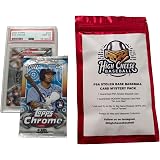
High Cheese Baseball Cards PSA Graded Stolen Base Mystery Pack, 1 PSA Graded Card, 1 Unopened Modern Pack, Rookies and Hall of Famers
$39.99 (as of August 16, 2026 03:48 GMT +00:00 - More infoProduct prices and availability are accurate as of the date/time indicated and are subject to change. Any price and availability information displayed on [relevant Amazon Site(s), as applicable] at the time of purchase will apply to the purchase of this product.)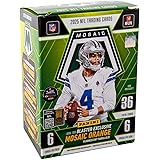
2025–26 Panini Mosaic Football Blaster Box – Retail Exclusive Mosaic Parallels & Inserts – NFL Trading Cards – Sealed Retail Box
$34.87 (as of August 16, 2026 03:27 GMT +00:00 - More infoProduct prices and availability are accurate as of the date/time indicated and are subject to change. Any price and availability information displayed on [relevant Amazon Site(s), as applicable] at the time of purchase will apply to the purchase of this product.)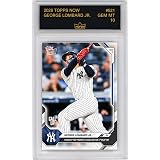
Graded 2026 Topps Now George Lombard Jr #521 Yankees Top Prospect Slugs HR for 1st MLB Hit New York Yankees Rookie RC Baseball Card HOFSM 10 Gem Mint
$56.50 (as of August 16, 2026 03:48 GMT +00:00 - More infoProduct prices and availability are accurate as of the date/time indicated and are subject to change. Any price and availability information displayed on [relevant Amazon Site(s), as applicable] at the time of purchase will apply to the purchase of this product.)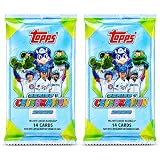
2026 Topps Series 1 Celebration Baseball Trading Card Value Bundle, 2 Factory Sealed Packs, 28 Cards Total, MLB Trading Cards for Collectors
$28.99 (as of August 16, 2026 03:48 GMT +00:00 - More infoProduct prices and availability are accurate as of the date/time indicated and are subject to change. Any price and availability information displayed on [relevant Amazon Site(s), as applicable] at the time of purchase will apply to the purchase of this product.)
New York Yankees 2026 Bowman 9 Card Team Set made by Topps Featuring Aaron Judge a Cam Schlittler Rookie Card and 6 Top Prospect Cards
$14.99 (as of August 16, 2026 03:48 GMT +00:00 - More infoProduct prices and availability are accurate as of the date/time indicated and are subject to change. Any price and availability information displayed on [relevant Amazon Site(s), as applicable] at the time of purchase will apply to the purchase of this product.)
Zoo Packs MLB Baseball PSA Graded Card Mystery Power Pack - Amazon Exclusive
$39.95 (as of August 16, 2026 03:27 GMT +00:00 - More infoProduct prices and availability are accurate as of the date/time indicated and are subject to change. Any price and availability information displayed on [relevant Amazon Site(s), as applicable] at the time of purchase will apply to the purchase of this product.)
NEW 2026 ToppsCHROME Baseball Trading Card MEGA Box | Look for X-Fractor Parallels and Lightboard Logo Variation cards!
(as of August 16, 2026 03:48 GMT +00:00 - More infoProduct prices and availability are accurate as of the date/time indicated and are subject to change. Any price and availability information displayed on [relevant Amazon Site(s), as applicable] at the time of purchase will apply to the purchase of this product.)Related Posts

Hot Takes







Legal Looting Game On Brain Giveaway Pop
WIN $500 OF SHOPPING!
This will close in 0 seconds
Free Streaming Game On Brain Giveaway Pop
This will close in 0 seconds



Post Comment