

The Shocking Truth Behind NFL Player Suicides: Is CTE the Real Culprit or Just the Tip of the Iceberg?
Advertisement
Mental health crises are rarely the consequence of a single input, even among potentially CTE-affected NFL players. It’s therefore important for players and their doctors to consider alternative explanations for CTE-like symptoms. Indeed, many of the symptoms most associated with CTE (memory loss, brain fog, aggression, depression, etc.) are also symptoms linked to other ailments like sleep apnea, low testosterone and high blood pressure. Adding to the confusion, each of these individual symptoms can also be caused or exacerbated by head injury, with or without the presence of CTE.
There’s also the possibility that some of the rise may have to do with how player deaths are classified. “Deaths among NFL players that would not have been classified as suicides by medical examiners prior to 2011 may have been labeled a suicide after 2010, as a result of greater awareness of issues related to head trauma,” the study’s co-author, Marc Weisskopf, told the Daily Mail.
Perhaps most importantly, once the spectre of CTE is removed from (or, at least, appropriately framed in) the discussion, treatment options become available, even if CTE remains a real risk factor. Hall of Fame running back Tony Dorsett was diagnosed with CTE-like symptoms in 2013 (again, definitive diagnosis of CTE is only possible after death and Dorsett is still alive). The symptoms that pushed him to seek testing are familiar: memory loss, depression and suicidal thoughts. Thirteen years later, Dorsett has even become an advocate for sleep apnea treatments. Even more relevantly, recently retired tight end Hayden Hurst, who was diagnosed with a non-CTE neurological condition after an NFL concussion in 2023, has discussed experiencing (and overcoming) a suicide attempt earlier in his career.
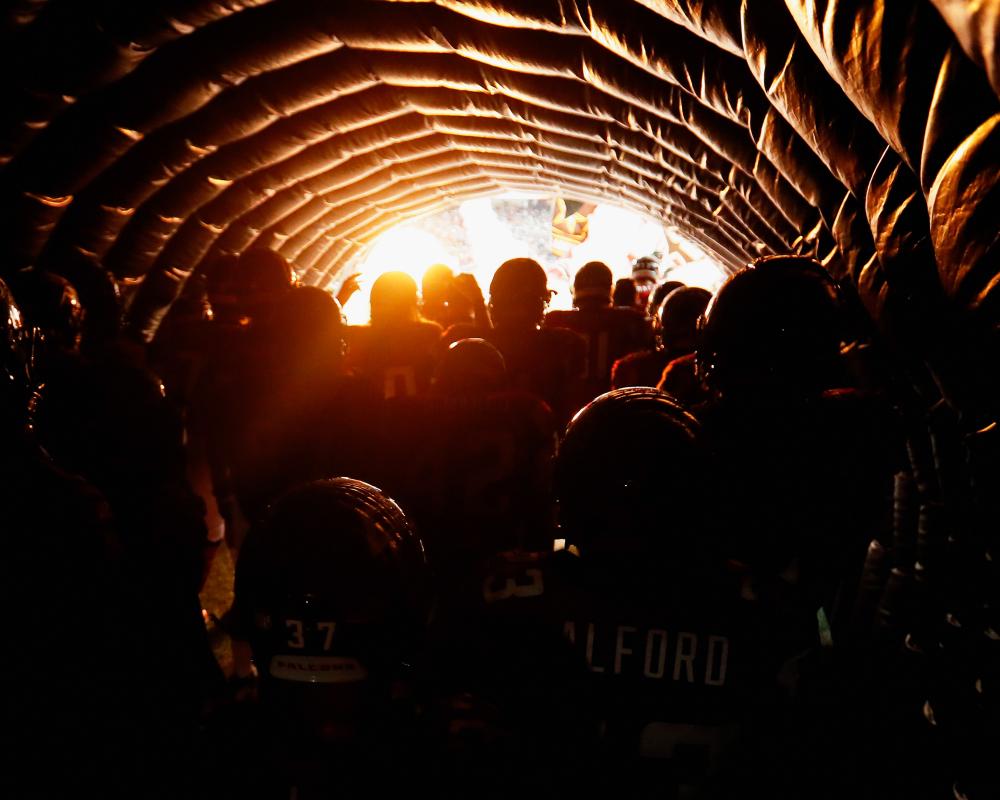
Which is all to say when an NFL player takes his own life, multiple questions arise around the complicated relationship between professional football, mental health and suicide. Given the simultaneous surges in CTE awareness and NFL suicides over the last 15 years, a tendency to conflate the two emerges. But, according to the Harvard study, that’s not the correct way of looking at things and Weisskopf says that “more research is needed to determine the individual contributions” of factors that lead to former NFL players’ suicides.
Advertisement

CHECK OUT THE HOTTEST DEALS ON AMAZON!

2026 Soccer Trading Cards | 55 Unique Collectible Cards per Box | Premium Paper, for Soccer Fans of All Ages, Ideal for Collecting & Trading (Non-Original) (Golden)
$18.99 (as of August 16, 2026 03:27 GMT +00:00 - More infoProduct prices and availability are accurate as of the date/time indicated and are subject to change. Any price and availability information displayed on [relevant Amazon Site(s), as applicable] at the time of purchase will apply to the purchase of this product.)
2026 Topps Baseball Sealed Hobby Factory 700 Card Set Includes All Series 1 + 2 Cards Shohei Ohtani, Aaron Judge Bobby Witt Jr & More!
$105.00 (as of August 16, 2026 03:27 GMT +00:00 - More infoProduct prices and availability are accurate as of the date/time indicated and are subject to change. Any price and availability information displayed on [relevant Amazon Site(s), as applicable] at the time of purchase will apply to the purchase of this product.)
2025-26 Topps Signature Class Basketball - Factory Sealed - Mega Box
$84.95 (as of August 16, 2026 03:48 GMT +00:00 - More infoProduct prices and availability are accurate as of the date/time indicated and are subject to change. Any price and availability information displayed on [relevant Amazon Site(s), as applicable] at the time of purchase will apply to the purchase of this product.)
Zoo Packs MLB Baseball PSA Graded Card Mystery Power Pack - Amazon Exclusive
$39.95 (as of August 16, 2026 03:27 GMT +00:00 - More infoProduct prices and availability are accurate as of the date/time indicated and are subject to change. Any price and availability information displayed on [relevant Amazon Site(s), as applicable] at the time of purchase will apply to the purchase of this product.)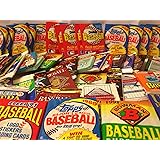
100 Vintage Baseball Cards in Old Sealed Wax Packs - Perfect for New Collectors
$15.49 (as of August 16, 2026 03:27 GMT +00:00 - More infoProduct prices and availability are accurate as of the date/time indicated and are subject to change. Any price and availability information displayed on [relevant Amazon Site(s), as applicable] at the time of purchase will apply to the purchase of this product.)
Upper Deck 2024 Marvel Masterpieces '92 Platinum Blaster Box - 24 Count Collectible-Card Box Blaster
$51.80 (as of August 16, 2026 03:27 GMT +00:00 - More infoProduct prices and availability are accurate as of the date/time indicated and are subject to change. Any price and availability information displayed on [relevant Amazon Site(s), as applicable] at the time of purchase will apply to the purchase of this product.)
2026 Topps Chrome Marvel MEGA box (8 pks/bx)
$169.99 (as of August 16, 2026 03:48 GMT +00:00 - More infoProduct prices and availability are accurate as of the date/time indicated and are subject to change. Any price and availability information displayed on [relevant Amazon Site(s), as applicable] at the time of purchase will apply to the purchase of this product.)
NEW 2026 ToppsCHROME Baseball Trading Card Blaster Box | Look for Baseball Seams and Red, White, and Blue Refractors
(as of August 16, 2026 03:27 GMT +00:00 - More infoProduct prices and availability are accurate as of the date/time indicated and are subject to change. Any price and availability information displayed on [relevant Amazon Site(s), as applicable] at the time of purchase will apply to the purchase of this product.)
Topps Baseball Series 1 Pack 2026 Trading Cards
$9.99 (as of August 16, 2026 03:27 GMT +00:00 - More infoProduct prices and availability are accurate as of the date/time indicated and are subject to change. Any price and availability information displayed on [relevant Amazon Site(s), as applicable] at the time of purchase will apply to the purchase of this product.)












Post Comment